Queensland’s Container Exchange (COEX) will become the first refund scheme in Australia to adopt an eco-modulation pricing framework next year.
From February 2027, beverage manufacturers will make contributions based on the real-world cost of recovering and recycling their containers.
The new framework will see costs for harder to recycle containers, like liquid paperboard (LPB) popper boxes go up, but for easier to recycle containers like glass bottles, costs will go down.
Under the new framework, 86 per cent of beverage manufacturers will pay less because they will no longer be subsidising those using harder-to-recycle materials.
The framework was developed following consultation with beverage manufacturers and industry bodies who said they wanted a fairer pricing model.
“We asked and we heard loud and clear that the industry wanted to move to a fairer system that adopts the principles of eco-modulation pricing,” COEX CEO Trevor Evans said.
“We are now actioning this feedback with a new framework which recognises that not all containers are created equal. Some materials are easier to recover, recycle and turn back into new products, while others are more complex and costly to process.
“This is a fairer approach, it’s revenue neutral to COEX, and we believe it will lead to better recycling outcomes in the Sunshine State.
“It also sends a price signal to the industry about the material they choose to package their products and the circular outcomes of that choice.”
Under the former pricing framework, beverage manufacturers who use glass in their containers were charged the same price as manufacturers who use LPB in containers. However, they are fundamentally different materials with very different costs and recovery rates.
LPB looks like cardboard but is made from layers of paper, plastic and aluminium, making it difficult and more costly to recycle. On the other hand, glass is a single material and there’s a strong market for recycled glass.
Change for glass wine and spirit manufacturers
Under the new framework, Queensland will be the lowest-priced scheme in Australia for both aluminum and glass.
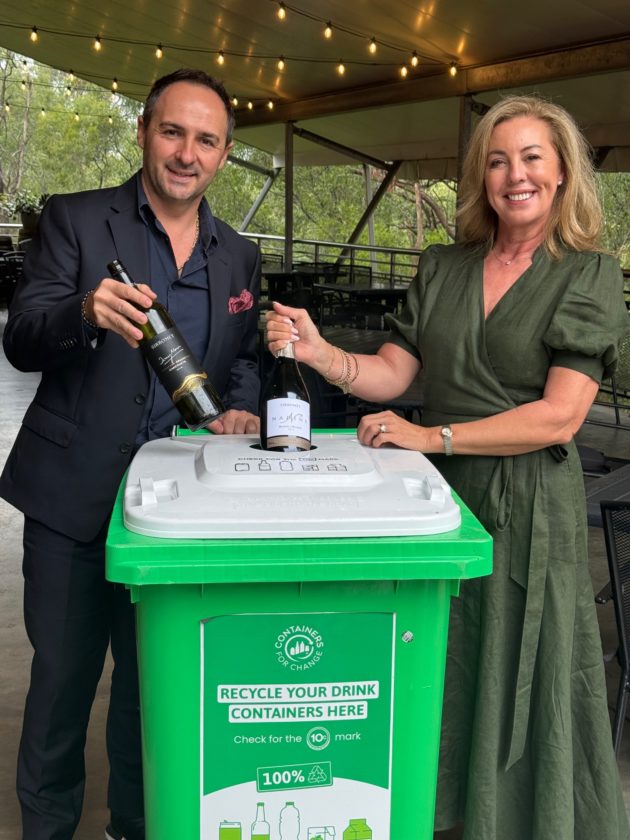
This will deliver meaningful change for glass wine and spirit manufacturers, which were introduced to the Queensland container refund scheme in November 2023.
“The Queensland Distillers Association appreciates the opportunity to contribute to COEX’s consultation process and welcomes efforts to ensure pricing better reflects the different recovery and recycling costs associated with container materials. As these changes are implemented, we look forward to continuing to engage with COEX to ensure the practical impacts and perspectives of Queensland distillers are represented,” Queensland Distillers Association President Vanessa Chapman said.
“As a Queensland winery, Sirromet is committed to playing our part in creating a more sustainable future. Our participation in the Containers for Change scheme is one way we support responsible recycling, reduce waste and contribute to positive environmental outcomes. We welcome initiatives that encourage greater recycling and help protect the environment for future generations,” Sirromet Chief Executive Officer Risko Isic said.
The scheme pricing changes will take effect from February 2027.
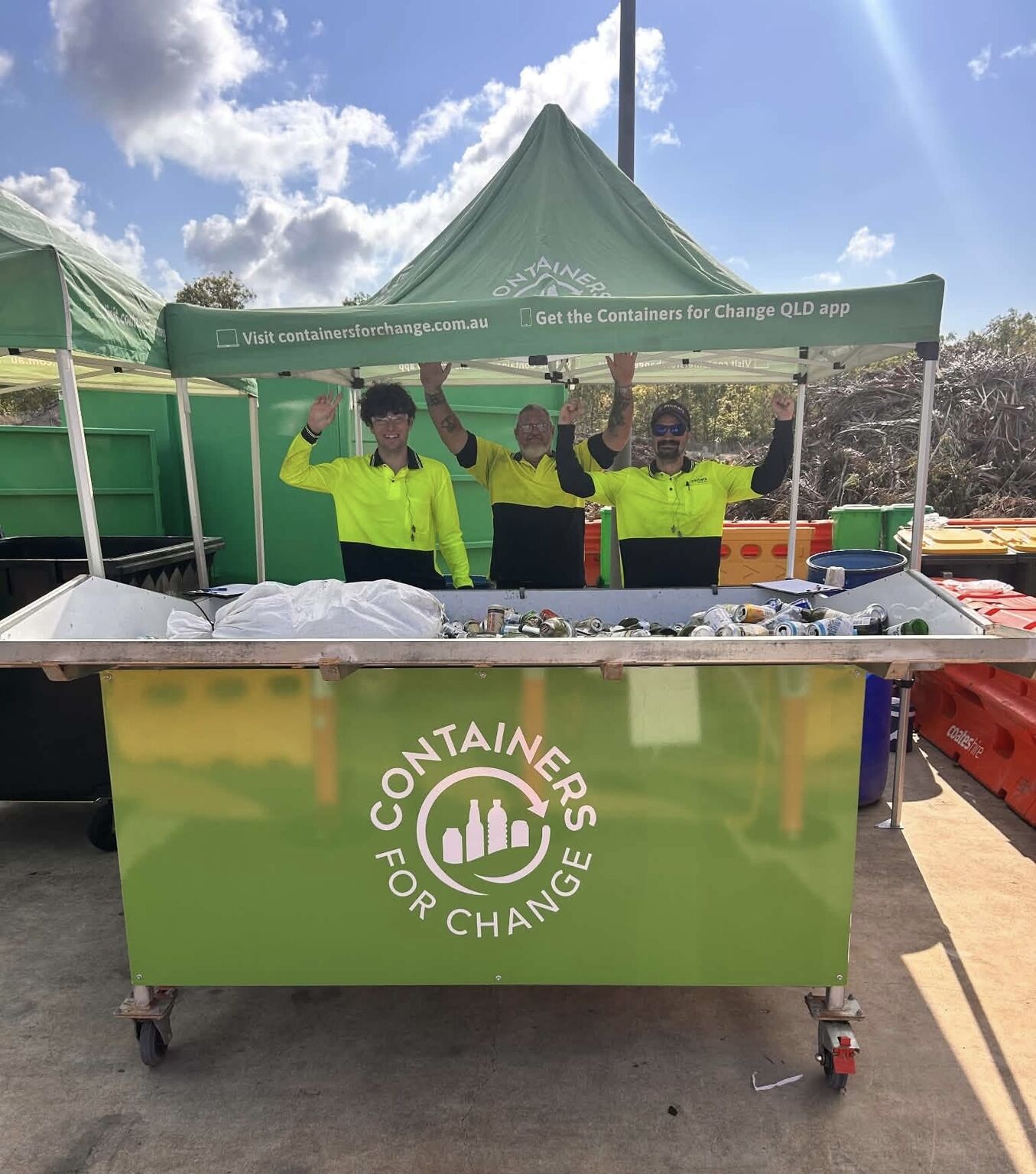
More than 3,000 containers are returned and recycled every minute through Queensland’s Containers for Change.
To learn more about the changes and the background behind the new pricing framework, read our fact sheets:
- Eco-modulation scheme pricing framework
- Scheme pricing framework consultation
- Liquid paperboard
- PET (Polyethylene Terephthalate)
Image caption: Sirromet CEO Risko Isic and Sirromet Director Nadine Delahunty. (Supplied by Sirromet).
Media Contact:
m | 0408 915 422
e | media@containerexchange.com.au