Eco-modulation scheme pricing framework
From February 2027, Queensland will be the first container refund scheme in Australia to adopt eco-modulation in its pricing framework.
Developed through broad consultation, the revised framework has been designed to more fairly allocate scheme costs across different packaging materials based on:
- The direct cost of recycling each material
- The shared costs of operating the scheme
- The environmental and community costs when containers are not recovered and recycled
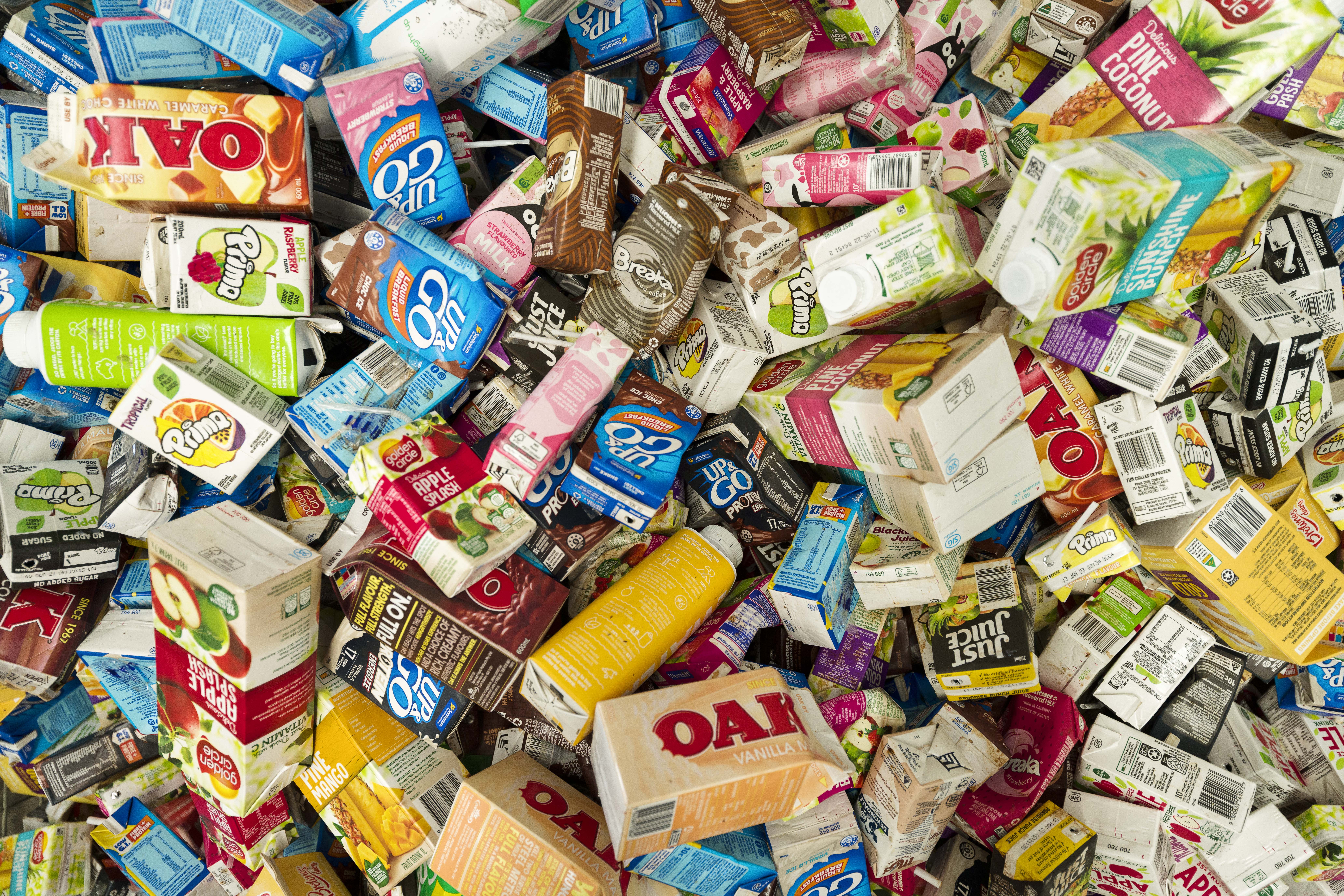
The new framework will see costs for harder to recycle containers, like liquid paperboard popper boxes go up, but for easier to recycle containers like aluminium cans and glass bottles, costs will go down.
Under the new framework, 86 per cent of beverage manufacturers will pay less because they will no longer be subsidising those using harder-to-recycle materials.
This is the first major change to scheme pricing in Queensland in nearly five years.
Importantly, this change is revenue neutral to COEX.
New scheme prices from February 2027
| Material Type | Scheme price excl. GST* (through 31 January 2027) | Scheme price excl. GST (from 1 February 2027) | |
|---|---|---|---|
| Aluminium | 12.8 | 12.6 | |
| Glass | 13.9 | 12.8 | |
| PET | 13.5 | 14.3 | |
| HDPE | 13.5 | 12.3 | |
| LPB | 13.9 | 16.2 | |
| Steel | 13.9 | 15.6 | |
| Other | 13.9 | 16.2 | |
| Weighted average** | 13.3 | 13.3 | |
| *The current scheme prices apply to eligible beverage containers supplied into Queensland between 1 August 2026 and 31 January 2027. New scheme pricing will be effective from 1 February 2027.
**The weighted average is indicative only and is subject to the material type mix. ^Liquid paperboard and steel can only be recovered through refund points and are excluded from Material Recovery Facility recovery under the Queensland Container Refund Scheme Material Recovery Facility Recovery Amount Protocol (September 2023). |
|||
Cost of not recycling
When a container becomes litter or landfill, the cost to the community and our environment is 29.4 cents per container.
Why materials matter
When it comes to recycling, not all containers are created equal.
For example, more than 80 per cent of eligible glass containers are recovered through the scheme in Queensland. As a material it’s easier to break down and there’s a strong onshore market for recycled glass. These factors when put together make it more cost effective to recycle.
On the other hand, liquid paperboard (LPB) may look like cardboard, but it’s made from several materials stuck together, including paper, plastic and a thin layer of aluminium. That means it requires specialist recycling currently only available in large capacity offshore. In fact, many people don’t know LPB containers put into yellow top bins end up in landfill precisely because they’re so hard to recycle.
Not all plastics are the same, either. PET is the plastic used in most water, soft drink and sports drink bottles. Clear PET is easier to recycle because it can be turned into a wider range of new products, but coloured PET is harder because it can’t be turned back into clear plastic, and mixing colours lowers the quality of the recycled material. Combined with the fact that recovery rates are lower, PET is more challenging to recycle than materials like aluminium and glass.
HDPE is the thicker plastic commonly used for flavoured milk and juice bottles. It has strong recycling pathways and can be readily turned into new products. As a result, HDPE tends to cost less to recycle than PET which is reflected in our new pricing.
Reducing cross subsidisation
Despite the vast differences in recycling costs and outcomes, COEX’s former pricing framework treats different materials largely the same.
That means beverage manufacturers using easier to recycle materials, such aluminium and glass, are cross subsidising the manufacturers who use harder to recycle containers like those made from LPB, HDPE and PET.
We asked the sector what the best and fairer practice was, and we listened. We are now actioning this feedback with the introduction of our new pricing framework, which more fairly allocates costs as it reflects the real-world cost of recycling.
Product stewardship
The new pricing framework, to start in February 2027, has been designed to reflect the true cost of recycling, but also the cost of not recycling.
Independent modelling shows every container that doesn’t get recycled costs 29.4 cents.
Environmental outcomes
The environmental outcome is a modern recycling system that rewards manufacturers who use easily recycled materials and creates stronger incentives to reduce waste, litter and landfill.
Revenue-neutral framework
This will be the first pricing change for nearly five years. COEX has designed these changes to be revenue-neutral because our purpose is not profit, but on improving environmental outcomes.
The pricing framework comes into effect in February 2027.
FAQs
What’s changing?
Before February 2027, most beverage manufacturers were charged the same prices, even though some containers are more challenging to recycle than others.
From February 2027, beverage manufacturers will be asked to pay for the true cost of recycling their containers.
What’s changing for beverage manufacturers?
86% will pay less per container under the new pricing framework because they use easier to recycle materials such as glass.
14% will pay more per container, under the new pricing framework, because they use harder-to-recycle materials such as liquid paperboard.
What isn’t changing?
Overall scheme costs will remain the same, meaning COEX will not make any more revenue because of these changes.
Why make these changes?
- The new eco-modulation pricing framework:
- Rewards the use of highly recyclable packaging
- Reduces cross-subsidisation
- Reflects real-world recycling costs
- Strengthens product stewardship
- Encourages waste reduction and recovery.
How is eco-modulation pricing calculated?
Three factors have guided the new pricing framework:
- Recycling cost: What does it cost to collect, sort and recycle the material?
- Shared scheme costs: What does it cost to operate Queensland’s container refund scheme?
- Cost of not recycling: What happens when the container ends up as litter or landfill?
Need help?
If you have questions about the new prices or what they mean for your business, visit our contact page to find the right support team.