Numbers at a glance
-
-
2,000,000+ containers in the first six months of opening
-
-
-
$200,000+ in 10-cent refunds delivered to the community in six months
-
-
-
Retail location helps make returning routine and support more frequent returns.
-
Panda Recycling Inala
When Panda Recycling opened its doors to Inala in south west Brisbane in late 2025, the shopfront was expected to scale slowly as it established itself in the community. Instead, the container refund point (CRP) surpassed 2 million containers, delivered $200,000 worth of 10-cent refunds to residents and became a vital community asset in a matter of months.
Panda Recycling Inala is a Containers for Change, a rapid time to market business model designed to reach new customers in areas unsuitable for depots such as retail and high-density residential areas.
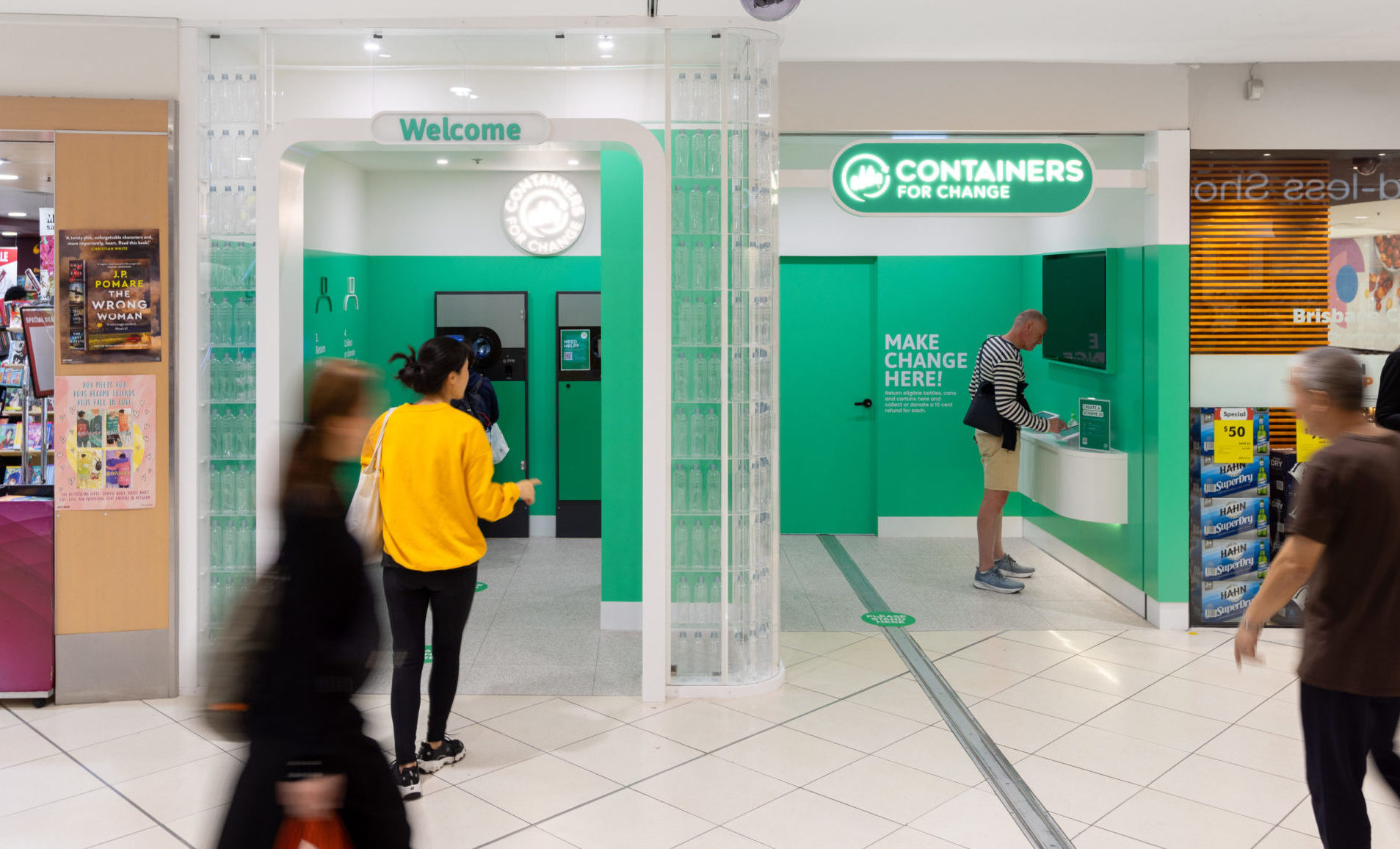
The shopfront allows customers to return containers quickly and independently by offering both reverse vending machines (RVMs) and manual counting within a compact retail footprint, while staff are on hand to assist first‑time users, resolve issues and keep operations moving. When staff finish for the day, the machines continue operating.
Panda Recycling Founder and Director Jianming Su said the hybrid of technology and human interaction created operational resilience.
“The shopfront model is a bridge between traditional depots in industrial areas and unstaffed sites. If a machine has an issue or a customer needs help, we can step in immediately. That support builds trust and trust drives repeat returns,” Mr Su said.
Bridging Queensland’s recycling gaps
With a background in mechanical engineering, Mr Su was introduced to the complex systems and infrastructure behind recycling networks during a study exchange to Copenhagen Business School.
“In Denmark, I observed citizens recycle with pride. Recycling infrastructure was designed for everyday use, highly visible, easy to access and embedded into daily life,” Mr Su said.
When he returned to Australia, Mr Su began noticing gaps in the network that were tipping well‑intentioned Queenslanders towards the red bin.
Mr Su submitted his application to join the operator network through the Container Exchange (COEX) website in February 2025, where he was connected to the acquisition team to support him in finding an appropriate site for the shopfront.
“From the very beginning, the site approval moved very efficiently. I remember worrying that if we did not secure and open the site promptly, it might be taken by another retailer, but COEX responded quickly, which gave me confidence,” Mr Su said.
Access to COEX data platforms and tools to track weekly container volumes, plan staffing and identify performance patterns over time supported Mr Su in making agile decisions.
“My engineering experience helped me think of the big picture and create systems to streamline operations but I’m pretty green as a business owner. I was grateful for the strong support I received from the entire Container Exchange team from site approval to mobilisation to day-to-day operations,” he said.
Mr Su’s experience managing complex mining and infrastructure projects allowed him to see friction at the point of return as system design issues rather than a lack of motivation amongst customers and revised his approach accordingly.
“What stood out most was the willingness of the COEX team to listen and adapt. That flexibility and mutual trust is what ultimately allowed the shopfront to become a model that truly fits its community.”
When a site at the Inala Civic Centre became available, COEX accessed and progressed his application within two weeks.
Social value boosts commercial performance
Inala is one of Brisbane’s most culturally and linguistically diverse suburbs, with a high proportion of migrants, older residents and people without access to private vehicles or smartphones.
Working alongside COEX and with strong support from the network, Panda Recycling adapted its operations to reflect the needs of the Inala community, where many residents are elderly, without access to private vehicles, or unfamiliar with smartphones, yet highly motivated to recycle.
Panda Recycling introduced cash refunds, multilingual customer support in English, Vietnamese and Chinese and simplified refund processes for customers without smartphones. Panda Recycling is also offering free home collection services for residents with limited mobility or transport access.
“We believe recycling should be accessible to everyone. If a resident walks into our shopfront, we will always try to find a way for them to participate and benefit from the scheme,” Mr Su said.
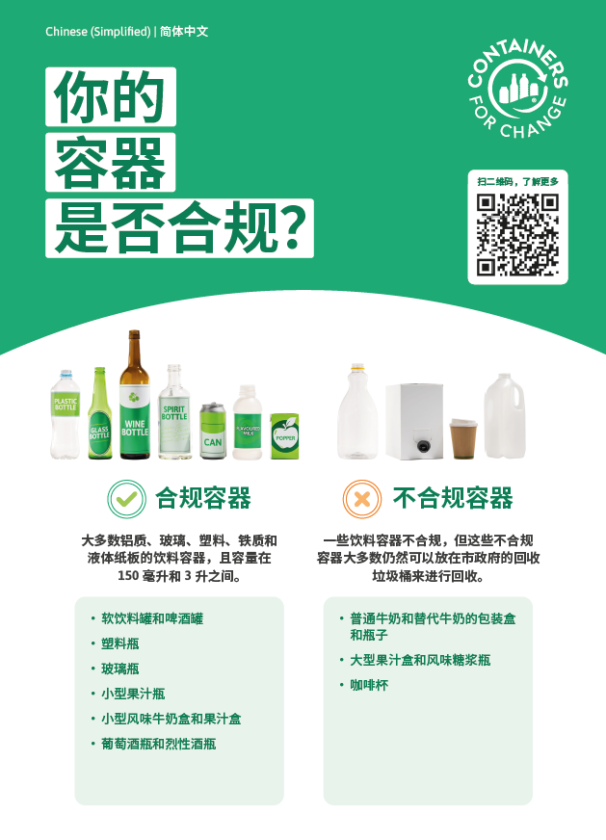
COEX also provided posters and instructional signage in English, Chinese and Vietnamese. For first-time users, official scheme-branded guidance in their own language helped build confidence in the scheme.
These changes increased throughput by removing friction at the point of return. Customers who felt confident using the system returned more often and encouraged others to do the same.
“Instead of forcing a system onto the community, we listened and adjusted processes to reflect the needs of the people we serve, which helped build trust,” Mr Su said.
For Panda Recycling, the shopfront is not limited to providing core recycling services. It functions as a platform for dignity and social connection.
“Accessibility creates dignity. Customers who feel respected and capable return more frequently. They recommend the site to friends and family. The shopfront has become part of the social fabric, not just another service.”
Panda’s plans for growth
Panda Recycling has already employed two Vietnamese international students, providing them with their first work experience in Australia. Through their support and community connections, more local residents have continued joining the scheme through word of mouth. Mr Su hopes to replicate the Inala shopfront model across other communities in the future.
“Container recycling is more than a 10-cent refund, it’s a moment of trust and human connection. Panda Recycling’s goal is to make recycling easier, friendlier and more convenient for Queenslanders,” Mr Su said.
Interested in operating a shopfront CRP?
Reach out to the expansion team or your Network Lead for more information.